
Working With an Agency · 7 min read · August 19, 2026
Why You Stop Hearing From Your Agency After Month Two
The sales calls were great. Then the account went quiet. Here is why that happens, what it usually means, and the three things to ask for before you sign with anyone.
The short version
Agencies go quiet because the people who sold you are rarely the people who run the account, and account managers carry too many accounts to write anything specific. Before you sign, ask who runs the account, how many they run, and what the communication rhythm is, in writing.
The pattern I hear about most
When a new client comes to us from another agency, I ask what went wrong. Price comes up. Results come up. But the thing that comes up first, nearly every time, is silence. The sales process was attentive. The first month had a kickoff call and a lot of emails. By month three the owner was chasing for updates, getting replies days later, and talking to someone whose name was not on the proposal.
I have spent twenty years in customer care and service, and I can tell you this is not a marketing problem. It is a staffing and incentive problem that happens to show up in marketing. Once you see how it works, you can spot it before you sign.
Why it happens: the handoff
At many agencies, the people who sell the account are not the people who run it. The salesperson is paid on signing. The account manager is paid a salary and has thirty to sixty accounts. The moment the contract is signed, the incentive to pay attention to you drops, and your account joins a queue.
That is not a criticism of the account managers. Sixty accounts is too many for anyone to know well. It is why you get the generic monthly report and the “we’re seeing good momentum” email: there is no time to write anything specific. Our cookie-cutter marketing post is about the same problem from the strategy side.
The other reason is simpler. Some agencies go quiet when the numbers are not good, because a hard conversation takes longer than no conversation. You find out on the day you ask for your reports and someone suggests a call to “realign expectations.”
What silence usually means
Silence can mean the work is happening and nobody thought to tell you. It can also mean nothing is happening. From the outside the two look identical, which is the problem. I would not assume the worst, but I would not assume the best either. I would check.
Three things you can check yourself, today, without asking anyone. Open your Google Business Profile and look at the last post and the last photo date. Open Google Search Console if you have access and look at whether clicks are moving. And look at your site for a page that did not exist three months ago. If all three are flat and your agency has been quiet, you have your answer.
If you do not have access to those accounts, that is a bigger problem than the silence, and I have written separately about who should own your Google accounts.
What good communication looks like
It is not daily emails. Owners are busy, and an agency that floods the inbox is managing its own anxiety rather than your account. What it looks like is a rhythm you can rely on. Here is ours, and I think it is a fair standard to hold anyone to.
A standing call, same time, same agenda: what happened, what it means, what is next, what you want to raise. A named person you can reach between calls, with a direct line. The same person next month. An unprompted message on the day something breaks or something notable happens, rather than at month end. And a written report you could understand without the call, which I covered in how to read your marketing report.
Google’s advertiser guide to working with third parties suggests asking a prospective agency how they will communicate and how often you will get reports before you sign. It is good advice. The answer tells you a lot about how the account will feel in month six.
Why a small team behaves differently
I will be straight about our own setup because it is the reason this post exists. There are three of us on the client side. I run client care. Kyle builds the plans. Faith does the search work. There is no handoff from sales to delivery because the people on the sales call are the people on the account, and nobody here has sixty of them.
That is not a guarantee of good results. It is a guarantee that if something is not moving, you will hear it from us first, and that the person who told you is the person who can change it. We also run automated checks on every client site and Business Profile daily, so the “did anyone notice” question is answered by a machine rather than by whoever happened to look. Our why us page sets this out next to what bigger agencies publish about their own arrangements.
Three things to ask for before you sign anyone
Ask who specifically will run the account and whether they are on the sales call. If the answer is “you’ll be assigned an account manager after onboarding,” you have found the handoff.
Ask how many accounts that person runs. There is no perfect number, but the answer will tell you whether they can know your business.
Ask for the communication rhythm in writing: how often you will talk, who you can call, and what happens when something goes wrong. If you are already with an agency and the account has gone quiet, send the same three questions in an email. The response time is itself an answer. And if you want to see what the standing call feels like, book one with us and bring your questions.
Frequently asked questions
How often should I hear from my marketing agency?
A regular standing call (monthly works for most accounts), a named person you can reach between calls, and a same-day message when something breaks or changes. More than that is usually noise; less than that and you are guessing.
Is it normal to have a different contact after signing?
It is common at larger agencies, but it is the moment attention usually drops. Ask on the sales call who will run the account and whether you can meet them first.
My agency has gone quiet. What should I check?
The last post and photo date on your Google Business Profile, whether clicks in Search Console are moving, and whether any new pages exist on your site. If all three are flat, the silence is telling you something.
Does a small agency mean less gets done?
It means fewer people, not less work, as long as the checks are automated. The difference you feel is that the person who knows your account is the one who answers the phone.
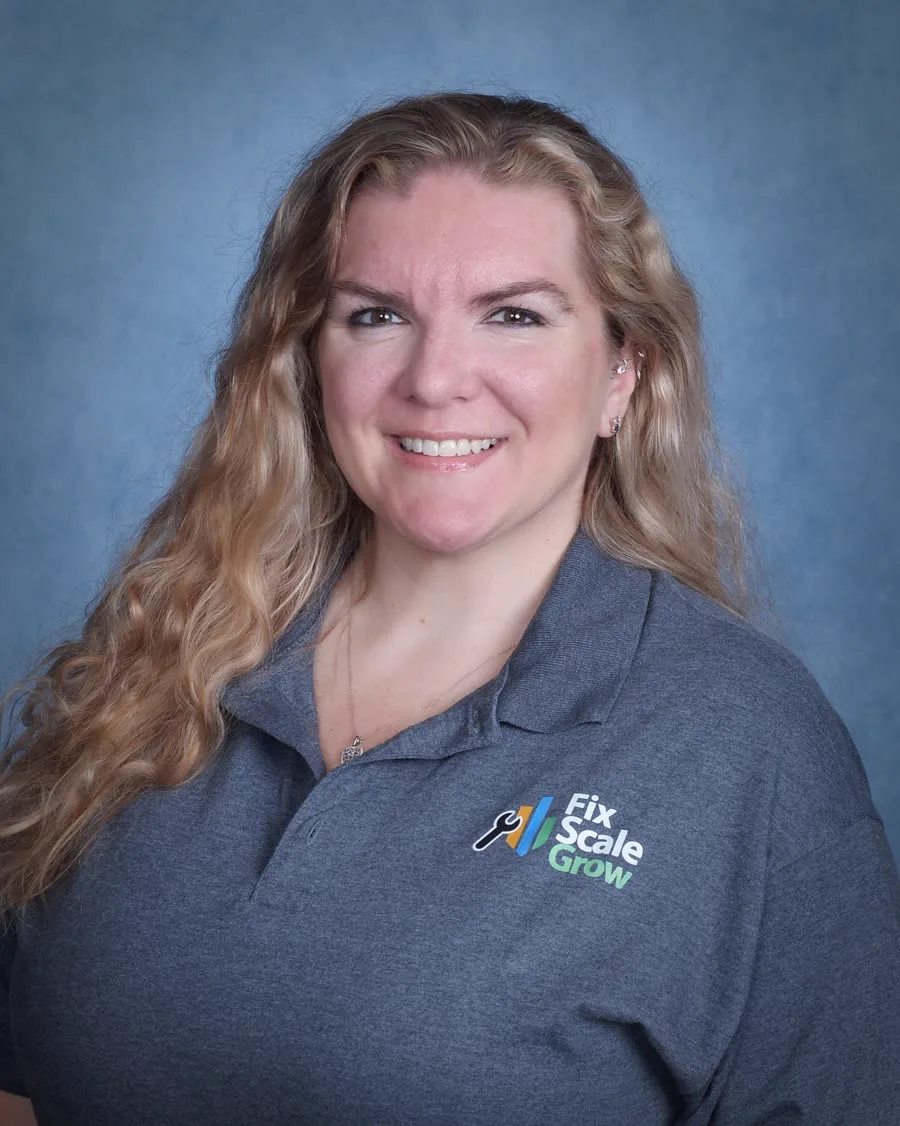
Chief Client Officer
Amanda brings twenty years in customer care and service, and it is the part of this business she cares about most. She holds a bachelor’s degree and runs the client side of every account: onboarding, the standing call, the questions in between, and making sure nothing you raise goes unanswered.